

BY: Dr. Prerna Kohli
What is self harm in teenagers?

Cutting, is also know as self harm, or self injury, it is an intentional injury to oneself without the intention of suicide. The most common type of self harm is cutting of arms with sharp blades, knife or other instruments. Other types of self harm are burning oneself (typically with cigarette butts), banging the head against a wall, interfering with the healing of a wound, pulling out of hair, or eating non edible items such as sharp objects, or poisonous items.
Traditional self-harm behaviour doesn’t consider taking drugs or eating disorders.
The desire to self-harm is a symptom of borderline personality disorder.
However, patients with other mental disorders may also self-harm, including those with depression, anxiety disorders, substance abuse, eating disorders, post-traumatic stress disorder, schizophrenia, and several personality disorders.
Traditionally self-harm is seen in youngsters, and it starts by the age of 12 years and generally tapers off by the age of 24 years, therefore it is generally associated with teenagers. Older people (upto 45-50 years) also show this behaviour.
Girls show self-harming behaviour more than boys. It and can be easily hidden by wearing long sleeve shirts, or pants, as generally the cuts are made on the arms and legs.
Thus, many times children who self-harm are “normal” kids who are experimenting as others experiment with smoking, drinking and alcohol. Cutting is not normal behaviour and parents need to be vigilant.

“You can talk with a close friend or relative about what’s troubling you; but it’s not the same as professionally-trained experienced psychologist who knows exactly what kind of help you need” – Dr. Prerna Kohli.
~*~*~*~*~*~*~*~*~*~*~*
About Dr. Prerna Kohli
She is a 100 women Achievers Award Winner (2016) from the Honorable President of India, Shri Pranab Mukherjee.
Dr. Prerna Kohli is a Clinical Psychologist, a Public Speaker, a Workshop Facilitator and a Holistic Practitioner. She offers Heart-based workshops and lectures that focus on Life Balance, Self-awareness and Inner Peace. Dedicated to sharing her knowledge and compassion with others, Prerna blends intuitive wisdom with solid understanding, creating a powerful holistic approach, specializing in the areas of Emotional change.
Dr. Prerna Kohli is a leading Psychologist in India and provides families, individuals, parents and children counselling on being happy.
BY: Dr. Prerna Kohli
7 Steps if your Teenager is Doing Drugs

What are drugs? A drug is any substance other than food, that when inhaled, injected, smoked, consumed, absorbed via a patch on the skin or dissolved under the tongue causes a physiological change in the body. and its side effects also harmful fo body.There are multiple reasons why your teenager may experiment and subsequently get addicted to illegal use of drugs (to learn more click here). To be clear, certain medicines maybe legal when prescribed and consumed under the supervision of a qualified doctor, but when these same medicines are consumed without a prescription it is unacceptable and illegal.

If an teenager begins to behave odd without reason, such as being withdrawn, or being repeatedly tired / depressed, or angry and having uncontrolled behavior it is a possibility that he is developing a drug problem. and side effects of drugs is too much harm body and Parents tend to ignore these signs thinking that it is a part of growing up and puberty and/or hormonal issues, but if these signs are present then the parents needs to be more vigilant. (to learn more click here).Below are the top seven steps to take when you realize that your teen is taking drugs:
Remain Calm: Numerous extremely successful people have successfully experimented with drugs in their teens, and you need to stay calm and realize that this isn’t a death sentence, if handled effectively, this will just be a passing phase
Respond with love: There is no benefit of ostracizing the teen. You need to address this problem with love. Drug addiction is no different from any other disease. Would you respond any differently if your child was suffering from cancer or any other illness?
Don’t blame yourself: You are not responsible for the actions of your child. Your role is not to blame yourself or the child but to tackle the problem
Talk to your teenager: Do not shut down the lines of communication
Acting out of fear and Lying to others to cover the addict’s behaviour: Don’t hide the facts from well-wishers. This is not the time to think of the reputation “izzat” of the family or the individual
Blaming other people or situations: Everyone makes choices, your teenager has made bad choices, don’t blame others for his choices
Resenting the addict: Do not resent the individual, go ahead and resent the drugs, but do not resent your child

If you find out that your child is indulging in drugs, there is a need for you to meet with an experienced psychologist because side effect of drugs is very dangerous.
“You can talk with a close friend or relative about what’s troubling you; but it’s not the same as professionally-trained experienced psychologist who knows exactly what kind of help you need” – Dr. Prerna Kohli.
~*~*~*~*~*~*~*~*~*~*~*
About Dr. Prerna Kohli
She is a 100 women Achievers Award Winner (2016) from the Honorable President of India, Shri Pranab Mukherjee.
Dr. Prerna Kohli is a Clinical Psychologist, a Public Speaker, a Workshop Facilitator and a Holistic Practitioner. She offers Heart-based workshops and lectures that focus on Life Balance, Self-awareness and Inner Peace. Dedicated to sharing her knowledge and compassion with others, Prerna blends intuitive wisdom with solid understanding, creating a powerful holistic approach, specializing in the areas of Emotional change.
Dr. Prerna Kohli is a leading Psychologist in India and provides families, individuals, parents and children counseling on being happy.
BY: Dr. Prerna Kohli
7 Signs that Your Teenager is Doing Drugs

The first thing to remember is, that there are multiple reasons why your teenager may experiment and subsequently get addicted to the illegal use of drugs (to learn more click here). To be clear, a drug is any substance other than food, that when inhaled, injected, smoked, consumed, absorbed via a patch on the skin or dissolved under the tongue causes a physiological change in the body. Certain medicines maybe legal when prescribed and consumed under the supervision of a qualified doctor, but when these same medicines are consumed without a prescription it is unacceptable and illegal.

If a teenager begins to behave oddly without reason, such as being withdrawn, or being repeatedly tired / depressed, or angry and having uncontrolled behavior it is a possibility that he is developing a drugs problem. Parents tend to ignore these signs thinking that it is a part of growing up and puberty and/or hormonal issues, but if these signs are present then the parents need to be more vigilant. Hence, below are the top seven signs that your teen may have a drug problem:
- a change in peer group & decline in academic performance
- carelessness with grooming
- missing classes or skipping school
- loss of interest in favorite activities
- trouble in school or with the police
- changes in eating or sleeping habits
- deteriorating relationships with family members and friends

If you fear that your child is indulging in drugs, there is a need for you to meet with an experienced psychologist.
“You can talk with a close friend or relative about what’s troubling you; but it’s not the same as professionally-trained experienced psychologist who knows exactly what kind of help you need” – Dr. Prerna Kohli.
~*~*~*~*~*~*~*~*~*~*~*
About Dr. Prerna Kohli
She is a 100 women Achievers Award Winner (2016) from the Honorable President of India, Shri Pranab Mukherjee.
Dr. Prerna Kohli is a Clinical Psychologist, a Public Speaker, a Workshop Facilitator and also a Holistic Practitioner. She also offers Heart-based workshops and lectures that focus on Life Balance, Self-awareness and Inner Peace. Dedicated to sharing her knowledge and compassion with others, Prerna blends intuitive wisdom with solid understanding, creating a powerful holistic approach, specializing in the areas of Emotional change.
Dr. Prerna Kohli is a leading Psychologist in India and provides families, individuals, parents and children counseling on being happy.
BY: Dr. Prerna Kohli
7 Reasons why Your Teenager is Doing Drugs

One of the biggest fears of any parent is if their teenager falls into the trap of doing drugs.so firstly found why your teenager doing druges But, unfortunately, drugs are available very easily, and as we all know that children like to experiment. Hence, the easy availability of drugs is creating an opportunity for teens to experiment with drugs.
Firstly, a drug is any substance other than food, that when inhaled, injected, smoked, consumed, absorbed via a patch on the skin or dissolved under the tongue causes a physiological change in the body. The list of drugs legal or illegal is exhaustive….

It becomes a challenge for parents to monitor what their teenagers are doing with their time and with their friends, but it is important to look out for signals.
Hence, below are the top seven reason why teenager doing drugs:
Others are doing it: Teenager see other peers doing drugs and want to experiment. It starts with milder drug such as pot (marijuana) and quick escalates
Popular media: Thus, from Movies, songs, rap music, television glamorize drugs
Escape and Boredom: When teens don’t find a creative outlet for their energy, they tend to experiment. Also, teens who can’t tolerate being alone, have trouble keeping themselves occupied, or crave excitement are prime candidates for drug abuse
Instant Gratification: Drugs create an opportunity for immediate “happiness” and “escape”
Lack of Confidence: Teens who are shy, not popular, lack confidence experiment with drugs to become more popular, likeable and do things they wouldn’t do without the “backing” of drugs
Rebellion: Teens do drugs to rebel against authority, whether parental, school or society
Misinformation: Teens are misinformed about the addictive nature of drugs, every teenager has a friend who is an “authority” on drugs. Unfortunately there isn’t enough accurate information shared with teens on drugs.

If you fear that your teenager is indulging in drugs, there is a need for you to meet with an experienced psychologist, and discuss the seriousness of the addiction and next steps to get your child out of this loop.
“You can talk with a close friend or relative about what’s troubling you; but it’s not the same as professionally-trained experienced psychologist who knows exactly what kind of help you need” – Dr. Prerna Kohli.
~*~*~*~*~*~*~*~*~*~*~*
About Dr. Prerna Kohli
She is a 100 women Achievers Award Winner (2016) from the Honorable President of India, Shri Pranab Mukherjee.
Dr. Prerna Kohli is a Clinical Psychologist, a Public Speaker, a Workshop Facilitator and a Holistic Practitioner. She offers Heart-based workshops and lectures that focus on Life Balance, Self-awareness and Inner Peace. Dedicated to sharing her knowledge and compassion with others, Prerna blends intuitive wisdom with solid understanding, creating a powerful holistic approach, specializing in the areas of Emotional change.
Dr. Prerna Kohli is a leading Psychologist in India and provides families, individuals, parents and children counseling on being happy.
BY: Dr. Prerna Kohli
Gratitude is the Healthiest of All Human Emotions

What makes you happy? Having fun? Spending time with friends? Delicious food? Making Money?
Your emotions is very important and Psychologists have scientifically proven that one of the greatest contributors to your happiness is the gratitude that you show!
“Gratitude is the healthiest of all human emotions. The more you express gratitude for what you have, the more likely you will have even more to express gratitude for.”
Zig Ziglar

Gratitude is your ability and readiness to show appreciation for an act of kindness done to you, and also to return kindness to others. The study of gratitude in my chosen field of psychology has actually started in around the year 2000, primarily since psychology over the centuries has been focused on the study of distress and not positive emotions. Since then numerous scientific studies have empirically shown the correlation between gratitude and happiness.

Psychologists, Dr. Robert A. Emmons of the University of California, Davis, and Dr. Michael E. McCullough of the University of Miami, have done much of the research on gratitude.
In their experiment they had one group write daily on what that were gratefully for that day, the second group wrote about what irritated them that day and the third group wrote about major events in their life on that particular day. The subjects did this for a period of ten weeks. At the end of the ten weeks, the group who wrote about what they were grateful for were happier and had fewer visits to the doctor.
You don’t bargain with gratitude, “I will be thankful when I have a new car, or I will be thankful when I have a new job or more money”. Gratitude is being thankful for the car you currently have, for the job your currently have or the money you have in your wallet now.

As a routine, every morning when you wake up, list five things that you are grateful in your life for. Say this list aloud, it could be for a roof over your head, a loving family, a healthy body, a job that pays your regular salary, nice clothes to wear and a car to drive. Bless all these.
Again in the evening before you go to sleep make a mental list of all those nice things that happened to you today. Thank the universe for these. Focus on the positives! Do this regularly for forty-three days, and see the change in your life. To make this really effective start a gratitude journal, take a blank note pad or diary, and on a daily basis before you go to sleep and write the things are you are grateful for. and you able to control you emotions.
According to Barton Goldsmith, Ph.D., author of The Happy Couple: How to Make Happiness a Habit One Little Loving Thing at a Time.”Gratitude will help you see that what you have is better than what it is you may think you want.”
“You can talk with a close friend or relative about what’s troubling you; but it’s not the same as professionally-trained experienced psychologist who knows exactly what kind of help you need” – Dr. Prerna Kohli.
~*~*~*~*~*~*~*~*~*~*~*
About Dr. Prerna Kohli
She is a 100 women Achievers Award Winner (2016) from the Honorable President of India, Shri Pranab Mukherjee.
Dr. Prerna Kohli is a Clinical Psychologist, a Public Speaker, a Workshop Facilitator and a Holistic Practitioner. She offers Heart-based workshops and lectures that focus on Life Balance, Self-awareness and Inner Peace. Dedicated to sharing her knowledge and compassion with others, Prerna blends intuitive wisdom with solid understanding, creating a powerful holistic approach, specializing in the areas of Emotional change.
Dr. Prerna Kohli is a leading Psychologist in India and provides families, individuals, parents and children counselling on being happy.
BY: Dr. Prerna Kohli
7 Psychological Benefits Of Celebrating Diwali

We are aware of the religious significance of celebrating Diwali. Diwali is a celebration of the return of Ram, his wife Sita, and his brother Lakshman after defeating Ravan and returning home after an exile of fourteen years. The Diyas are lit to illuminate the path for Lord Ram and to signify the triumph of good over evil.

Diwali is also the time to worship Lakshmi the Goddess of wealth. So, along with Lakshmi, devotees make offerings to Ganesha, who symbolizes ethical beginnings and fearless remover of obstacles; Saraswati, who embodies music, literature and learning and Kuber, who symbolizes book-keeping, treasury and wealth management.
Below are the seven Psychological benefits of celebrating Diwali:
Cleaning of homes: cleaning the house, de-clutters the mind. Clutter increases stress in contrast de-cluttering is a stress releaser.
Spending money: Spending money causes happiness, and especially when buying gifts for loved one increases your joy
Spending time with loved ones: During Diwali we end up spending quality time with loved ones, whether it is your parents, children, siblings or friends and family. Thus, this results in creating a stronger emotional bond and allowing for better communication between family members and friends
Cooking Diwali Food: Cooking is a known anti-depressant, and a treatment for depression. Thus, as the family gets involved in cooking together there is bonding and happiness
Wearing new clothes: The clothes you wear and the way you groom yourself will change the way other people react to you. As you dress sharply during the Diwali season and wear new clothes on Diwali day, the positive reaction from friends, family and strangers will boost your well-being.
Gifting: When you give a gift, it makes you feel generous, it makes you feel in control, it’s good for your self-esteem and it’s good for the relationship
Praying: the psychological benefits of prayer may help reduce stress and anxiety, promote a more positive outlook, and strengthen the will to live.

Go ahead, celebrate Diwali not only for praying to Ram, Lakshmi, Ganesh, Saraswati and Kuber but also for the direct psychological benefits to you and your loved ones.
To learn more about Dr. Prerna Kohli click here
~*~*~*~
“You can talk with a close friend or relative about what’s troubling you; but it’s not the same as professionally-trained experienced psychologist who knows exactly what kind of help you need” – Dr. Prerna Kohli.
~*~*~*~*~*~*~*~*~*~*~*
About Dr. Prerna Kohli
She is a 100 women Achievers Award Winner (2016) from the Honorable President of India, Shri Pranab Mukherjee.
Dr. Prerna Kohli is a Clinical Psychologist, a Public Speaker, a Workshop Facilitator and a Holistic Practitioner. She offers Heart-based workshops and lectures that focus on Life Balance, Self-awareness and Inner Peace. Dedicated to sharing her knowledge and compassion with others, Prerna blends intuitive wisdom with solid understanding, creating a powerful holistic approach, specializing in the areas of Emotional change.
Dr. Prerna Kohli is a leading Psychologist in India and provides families, individuals, parents and children counselling on being happy.
BY: Dr. Prerna Kohli
Attitude of Gratitude

We keep hearing about the Attitude of Gratitude, but what does it mean, and what is an Attitude of Gratitude?
Attitude of Gratitude simply means “making it a habit to express thankfulness and appreciation in all parts of your life, on a regular basis, for both the big and small things”.

The most important question that then arises is why should you have an Attitude of Gratitude? Below are the top 3 reasons why:
Gratitude shifts your mindset:
Firstly, as your mindset shifts, things automatically start to happen for you without any additional effort on your part
Gratitude creates solutions:
Secondly, as you are grateful for what you have, and not “anxious” for what you don’t have, you focus your energies on the positive and negative becomes positive.
Gratitude is contiguous:
Lastly, like a smile even gratitude is contiguous, one person being thankful and appreciate in a family or a business setting, when you are gratuitous it spreads to others around you, and this positive energy quick starts to spread and infect everyone else around you.

As we enter the Diwali season, it is that time of year when sharing, caring and being thankful for everything we have is on top of the mind. The Diwali season, in particular, causes us to think about all of the special things in our lives and express gratitude for them. It is vital to develop an attitude of gratitude, and give thanks for everything that happens to you, knowing that every step forward is a step toward achieving something bigger and better than your current situation. Always remember that gratitude makes sense of our past, brings peace for today, and creates a vision for tomorrow.
“You can talk with a close friend or relative about what’s troubling you; but it’s not the same as professionally-trained experienced psychologist who knows exactly what kind of help you need” – Dr. Prerna Kohli.
~*~*~*~*~*~*~*~*~*~*~*
About Dr. Prerna Kohli
She is a 100 women Achievers Award Winner (2016) from the Honorable President of India, Shri Pranab Mukherjee.
Dr. Prerna Kohli is a Clinical Psychologist, a Public Speaker, a Workshop Facilitator and a Holistic Practitioner. She offers Heart-based workshops and lectures that focus on Life Balance, Self-awareness and Inner Peace. Dedicated to sharing her knowledge and compassion with others, Prerna blends intuitive wisdom with solid understanding, creating a powerful holistic approach, specializing in the areas of Emotional change.
Dr. Prerna Kohli is a leading Psychologist in India and provides families, individuals, parents and children counselling on being happy.
BY: Dr. Prerna Kohli
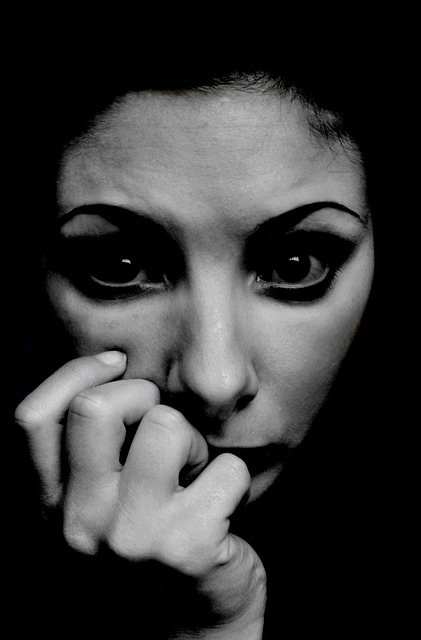
7 Ways to Decide if someone is Faking Depression

First of all, people fake depression because it allows them to gain sympathy, compliments, pity, attention and many other monetary and non-monetary gains. Wives fake depression due to the fact that they believe it will get a piece of jewelry, girls till they get their personal car, or an agreement from their parents to marry an unsuitable spouse.

Fake depression may not be real, but it still important to find the underlying symptom for the fake depression, whether low esteem, greed, misplaced romantic notions among others.
Hence, below are the seven signs of fake depression:
Creating drama or falling sick when something is refused to them
Self-harm such as cutting themselves, but the cuts are superficial, more like scratches
The “depression” is short-term
Only depressed about certain things they enjoyed in the past
Blaming others for all their problems
Passive aggressiveness
Acting helpless
 Faking Depression – Dr Prerna Kohli, India’s Leading Psychologist
In conclusion, faking depression is in itself a symptom of depression or some other mental issue. Hence, it is important to meet with an experienced Psychologist to determine if your loved one is suffering from clinical depression, or there is some other underlying problem which needs to be addressed. Lastly, never diagnose or treat depression yourself, it mandates meeting a qualified psychologist.
Read other relevant articles
- Depression: It is Real!
- Seven Foods That Help Fight Depression
- Ways to Help a Friend or Family Member Overcome Depression
- Living with someone Suffering from Depression?
- Treatments for Depression
Learn more about Dr. Prerna Kohli
“You can talk with a close friend or relative about what’s troubling you; but it’s not the same as a professionally-trained experienced psychologist who knows exactly what kind of help you need” – Dr. Prerna Kohli.

~*~*~*~*~*~*~*~*~*~*~*
About Dr. Prerna Kohli
Firstly, she is a 100 women Achievers Award Winner (2016) from the Honorable President of India, Shri Pranab Mukherjee.
Moveover, Dr. Prerna Kohli is a Clinical Psychologist, a Public Speaker, a Workshop Facilitator and a Holistic Practitioner. She offers Heart-based workshops and lectures that focus on Life Balance, Self-awareness and Inner Peace. Dedicated to sharing her knowledge and compassion with others, Prerna blends intuitive wisdom with a solid understanding, creating a powerful holistic approach, specializing in the areas of Emotional change.
In conclusion, Dr. Prerna Kohli is a leading Psychologist in India and provides families, individuals, parents and children counseling on being happy.
BY: Dr. Prerna Kohli
Lacking Intimacy?


When it comes to talking about sex we often shy away, but it is important that we give importance to these problems as they often are indicators of a more serious issue. One reason for the lack of intimacy is impotence, which is the inability to have an erection, which is firm enough to engage in sexual intercourse.
Impotence or the lack of desire may happen from time to time but if it happens very frequently then it is a sign of some other psychological condition that has to be treated. It is most important to meet with a medical doctor to rule out any physical problem, if there is none, then it necessary to meet with a psychologist to help understand the psychological issue.

Impotence can occur due to physical factors like high blood pressure, heart diseases, alcoholism, etc and also due to psychological factors like stress and depression. Thus, it leads to various complications like relationship problems, an unsatisfactory sex life, depression and low self-esteem.

Firstly, discuss your symptoms with your family doctor who will help determine if the problem is physical. If the problem is not physical but psychological then you will need to consult with an experienced Psychologist.
“You can talk with a close friend or relative about what’s troubling you; but it’s not the same as professionally-trained experienced psychologist who knows exactly what kind of help you need” – Dr. Prerna Kohli.
~*~*~*~*~*~*~*~*~*~*~*
About Dr. Prerna Kohli
She is a 100 women Achievers Award Winner (2016) from the Honorable President of India, Shri Pranab Mukherjee.
Dr. Prerna Kohli is a Clinical Psychologist, a Public Speaker, a Workshop Facilitator and a Holistic Practitioner. She offers Heart-based workshops and lectures that focus on Life Balance, Self-awareness and Inner Peace. Dedicated to sharing her knowledge and compassion with others, Prerna blends intuitive wisdom with solid understanding, creating a powerful holistic approach, specializing in the areas of Emotional change.
Dr. Prerna Kohli is a leading Psychologist in India and provides families, individuals, parents and children counselling on being happy.
BY: Dr. Prerna Kohli
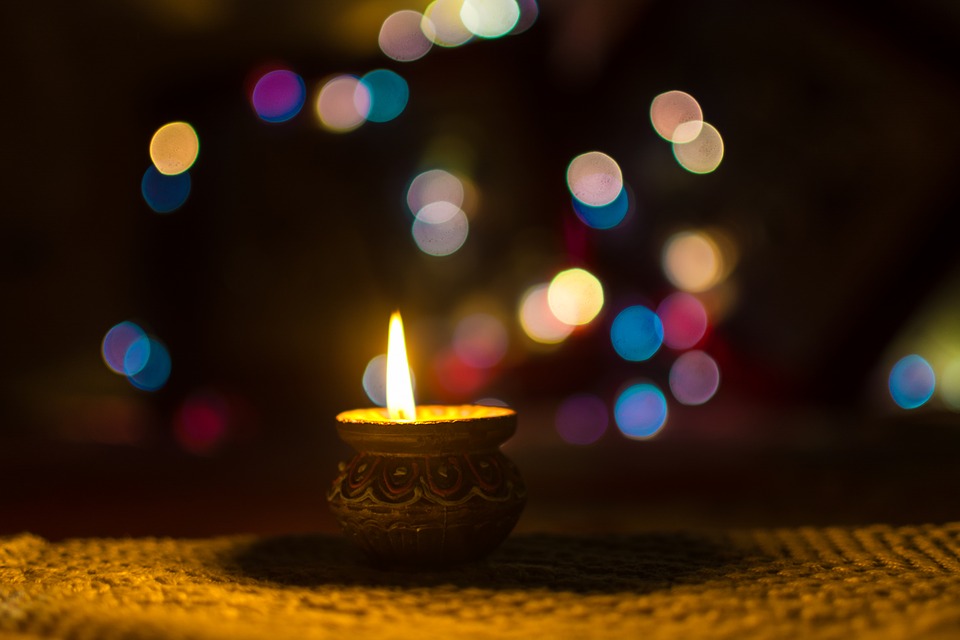
7 Ways to Enjoy Diwali More
A lot of times, people don’t know how to fully enjoy festivals. Instead of enjoying the festival season they wallow in self pity, envy, and dip into depression. Given below are seven things that you can do to enjoy the festival more:

Diwali Festival – Dr Prerna Kohli India’s Best Psychologist
-
Invite people to your home: Don’t worry about cleaning the house or getting it perfect, just make the phone calls and gather good friends over. If you are really pressed for time, order in food or even have a pot luck
-
If you can’t bring people home, meet your friends in a club, restaurant, mall or a carnival (mela)
-
Dress up for the festival season, even if you aren’t going out
-
If nobody is giving you a gift, gift yourself something nice, that you want, but don’t need
-
Cook festival foods, ditch the diet, and enjoy rich sumptuous food
-
Help the under privileged, nothing boosts the spirits more than helping the unfortunate
-
Make yourself busy, make a list of things that need to done, the cleaning, the shopping, the people you want to meet and call

Remember in life you enjoy when you participate. Participate in the festival. Life it is not just a series of calculations and a sum total of statistics, it’s about experience, it’s about participation, it is something more complex and more interesting than what is obvious. This is how memories are made… by actively participating!
“You can talk with a close friend or relative about what’s troubling you; but it’s not the same as professionally-trained experienced psychologist who knows exactly what kind of help you need” – Dr. Prerna Kohli.
~*~*~*~*~*~*~*~*~*~*~*
About Dr. Prerna Kohli
She is a 100 women Achievers Award Winner (2016) from the Honorable President of India, Shri Pranab Mukherjee.
Dr. Prerna Kohli is a Clinical Psychologist, a Public Speaker, a Workshop Facilitator and a Holistic Practitioner. She offers Heart-based workshops and lectures that focus on Life Balance, Self-awareness and Inner Peace. Dedicated to sharing her knowledge and compassion with others, Prerna blends intuitive wisdom with solid understanding, creating a powerful holistic approach, specializing in the areas of Emotional change.
Dr. Prerna Kohli is a leading Psychologist in India and provides families, individuals, parents and children counselling on being happy.
- 1
- 2